
.svg)

A Pomsky’s thick, fluffy coat is one of the breed’s most recognizable features. It is also the reason many Pomsky owners find hair on their clothes, furniture and floors throughout the year.
Shedding is a normal part of caring for a Pomsky. While you cannot stop a healthy dog from shedding, you can manage the amount of loose hair around your home with the right grooming routine.
Regular brushing, suitable grooming tools and occasional bathing can make seasonal shedding much easier to handle. They also give you an opportunity to check your Pomsky’s skin for irritation, unusual hair loss or other changes.
Why do Pomskies shed so much?
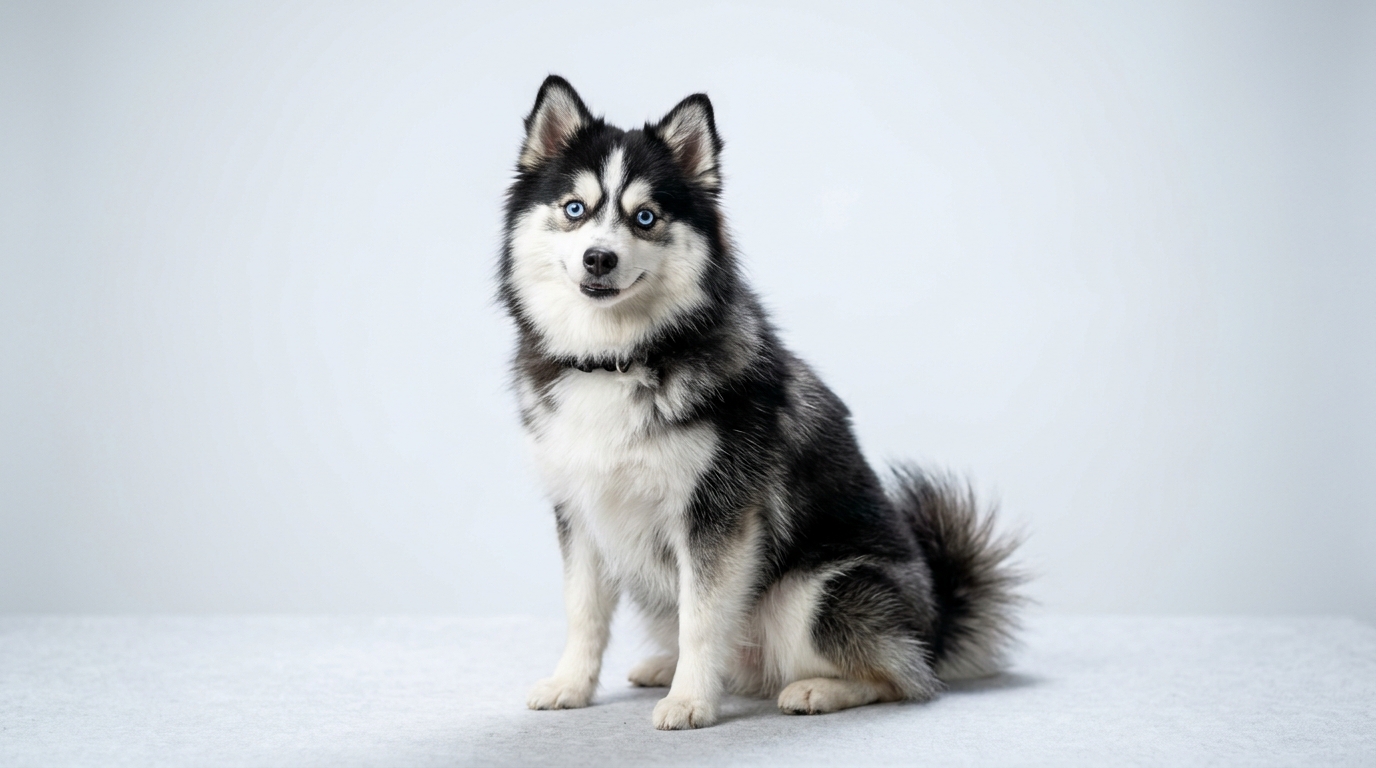
Most Pomskies inherit a double coat from their Siberian Husky and Pomeranian heritage.
A double coat has two layers:
• A soft, dense undercoat that helps insulate the body
• A longer outer coat that helps protect the skin from weather, moisture and sunlight
Both layers naturally release old or damaged hair as new hair grows.
Dogs with thick double coats may shed throughout the year and lose larger amounts of undercoat during seasonal changes. Indoor dogs can also shed more consistently because artificial lighting and stable household temperatures reduce the effect of natural seasonal changes.
Your Pomsky’s exact coat and shedding pattern will depend on their genetics. Some have a denser coat that resembles a Husky, while others inherit a softer or longer coat from the Pomeranian side.
When do Pomskies shed the most?
Many double coated dogs experience heavier shedding in spring and fall.
During spring, the thicker winter undercoat begins to loosen as the weather becomes warmer. During fall, the lighter coat is replaced as the dog prepares for colder temperatures.
This heavier seasonal shedding is often called blowing the coat. You may notice clumps of soft undercoat coming away during brushing or collecting around the house.
The timing and intensity can vary depending on your Pomsky’s coat, local climate and how much time they spend indoors.
Female dogs can also experience coat changes connected to hormonal cycles, pregnancy or nursing. Speak with your veterinarian when shedding seems unusually heavy or is accompanied by changes in the skin.
How often should you brush a Pomsky?
Most Pomskies benefit from a thorough brushing several times a week.
During periods of heavier shedding, daily brushing may be necessary to keep loose undercoat under control.
The ideal routine will depend on your Pomsky’s coat length and density. A dog with a particularly thick or woolly coat may need more frequent grooming than a Pomsky with a shorter, less dense coat.
Weekly combing is generally recommended for double coated dogs, with more frequent grooming during shedding season. Regular brushing removes loose undercoat before it reaches your clothing and furniture.
Brushing also helps prevent tangles and allows you to check the skin beneath the coat.
The grooming tools that work best
Using the right grooming tools can make a noticeable difference.
A slicker brush can help remove loose hair and work through minor tangles in the outer coat.
An undercoat rake reaches through the outer layer and removes loose, soft hair from underneath. Choose one with teeth that suit the length and density of your Pomsky’s coat.
A metal comb is useful for checking whether any tangles remain, particularly behind the ears, around the neck, under the legs and near the tail.
You may need:
• A slicker brush
• An undercoat rake
• A wide toothed metal comb
• A finer comb for checking smaller areas
• A detangling spray made for dogs
• A grooming mat or easy to clean surface
Brushes and combs should move through the coat without scratching the skin or pulling excessively. Your veterinarian, breeder or professional groomer can recommend tools suited to your dog’s individual coat.
How to brush your Pomsky properly
Brushing only the visible surface of the coat will not remove much of the loose undercoat.
Use this routine to groom more effectively.
Step 1: Choose a calm time
Begin when your Pomsky is relaxed and comfortable.
Place them on a stable surface where they feel secure. Have small treats nearby so you can reward calm behavior throughout the session.
Step 2: Check the coat with your hands
Run your fingers gently through the coat and feel for tangles, mats or sensitive areas.
Pay close attention behind the ears, under the collar, around the legs and near the tail. These areas can become tangled more easily.
Step 3: Work in small sections
Separate a small section of coat and brush gently in the direction the hair grows.
Start near the skin without pressing the brush into it. Work outward through the length of the hair.
Continue section by section rather than brushing quickly over the surface.
Step 4: Remove loose undercoat carefully
Use an undercoat rake gently through the denser parts of the coat.
Do not repeatedly scrape the same area. Excessive use can irritate the skin or remove healthy hair along with the loose undercoat.
Step 5: Check your work with a comb
Run a metal comb through each section after brushing.
When the comb moves through comfortably without catching, the area is usually free from loose clumps and tangles.
Step 6: Keep the experience positive
Reward your Pomsky regularly and take breaks when they become restless.
The first sessions do not need to cover the entire body. You can brush one or two areas and continue later.
Building a positive grooming routine will make coat care easier throughout your Pomsky’s life.
How to handle tangles and mats
Small tangles can often be loosened with your fingers, a suitable detangling spray and a wide toothed comb.
Hold the hair close to the skin while working through the tangle. This reduces pulling and discomfort.
Begin at the end of the tangled hair and work gradually toward the skin.
Do not cut close to the skin with household scissors. Mats can pull the skin upward, making it difficult to see where the hair ends and the skin begins.
Large, tight or painful mats are best handled by a professional groomer. When a mat has caused redness, irritation or broken skin, contact your veterinarian.
Can bathing reduce Pomsky shedding?
Bathing can help loosen dead hair and remove dirt from the coat, but it should support regular brushing rather than replace it.
Brush your Pomsky before the bath to remove tangles and loose surface hair. Use lukewarm water and a gentle shampoo made specifically for dogs.
Rinse the coat thoroughly. Shampoo residue trapped in a thick undercoat can irritate the skin.
Dry your Pomsky completely after bathing. Moisture can remain close to the skin beneath a dense coat, particularly around the neck, legs and tail.
Bathing too frequently can remove natural oils and leave the skin dry, so the right schedule depends on your dog’s lifestyle, coat and skin condition.
Ask your veterinarian or groomer for guidance when your Pomsky has sensitive, dry or itchy skin.
Should you shave a Pomsky to stop shedding?
Shaving is generally not an appropriate way to manage a healthy Pomsky’s double coat.
The outer coat and undercoat help protect the skin and support temperature regulation. Shaving does not stop the natural shedding cycle and may affect how the coat grows back.
Routine brushing, combing and suitable bathing are safer ways to remove loose hair. Professional organizations advise against shaving double coated dogs unless there is a specific health, welfare or severe matting reason.
When your Pomsky’s coat is severely matted, speak with a professional groomer or veterinarian before deciding how it should be removed.
Does diet affect shedding?
A balanced diet supports healthy skin and coat growth, but no food or supplement can completely stop normal shedding.
Feed your Pomsky a complete diet that is suitable for their age, size and health needs. Fresh water should always be available.
Avoid adding oils, vitamins or coat supplements without veterinary guidance. Supplements can interfere with an otherwise balanced diet and may not be suitable for every dog.
Changes in coat quality can sometimes be connected to nutritional or health concerns. Your veterinarian can assess your Pomsky and recommend appropriate dietary changes when necessary.
How to manage Pomsky hair around the home
Grooming removes loose hair before it falls, but some hair around the home is unavoidable.
A few practical habits can make it easier to manage:
• Brush your Pomsky outdoors or in an easy to clean area
• Wash dog bedding regularly
• Use washable covers on favorite sleeping areas
• Vacuum high traffic areas frequently
• Keep a lint roller near the entrance or wardrobe
• Use a slightly damp rubber glove to collect hair from fabric furniture
• Clean grooming tools after each session
A consistent routine is more effective than waiting until shedding becomes overwhelming.
A simple Pomsky shedding routine
For regular weeks:
• Brush thoroughly two or three times
• Check behind the ears, under the legs and around the tail
• Use a comb to find any hidden tangles
• Wash bedding and vacuum your Pomsky’s favorite areas
During heavy shedding:
• Brush daily or as often as your Pomsky’s coat requires
• Work through the coat in small sections
• Use an undercoat rake carefully
• Consider booking a professional grooming session
• Monitor the skin for irritation caused by excessive brushing
Your routine may need to change throughout the year as your Pomsky’s coat changes.
When is shedding a reason to call the vet?
Normal shedding usually occurs evenly across the body without leaving bald areas.
Contact your veterinarian when you notice:
• Bald patches or thinning areas
• Red, inflamed or broken skin
• Persistent scratching, licking or biting
• A strong or unusual skin odor
• Greasy skin or excessive dandruff
• Scabs, sores or visible parasites
• A sudden increase in hair loss
• Changes in appetite, energy or weight
Excessive or uneven hair loss can be connected to allergies, skin infections, parasites, hormonal conditions or other health concerns. A veterinary examination can identify whether the change is normal shedding or a medical issue that requires treatment.
Shedding is part of living with a Pomsky
A Pomsky’s coat requires regular attention, especially during seasonal changes.
You cannot remove shedding from life with a Pomsky, but you can keep it manageable. Frequent brushing, gentle coat care and the right tools will reduce loose hair while helping prevent uncomfortable tangles.
Start grooming early, keep each session calm and pay attention to changes in your dog’s skin or coat. With a consistent routine, caring for your Pomsky’s coat becomes much easier for both of you.


.svg)
.svg)